

1. भूमिका: 2026 में घर का सपना या सिर्फ एक वित्तीय भ्रम?

2026 में रियल एस्टेट मार्केट बदल रहा है। वास्तव में, यह बदलाव बहुत तेज़ है। इसके विपरीत, युवा पीढ़ी अभी भी “अपना घर” खरीदने को जीवन का सबसे बड़ा लक्ष्य मानती है। हालांकि, क्या यह सोच वित्तीय रूप से सही है?
नतीजतन, हमें इस सवाल पर गहराई से सोचना होगा। इसलिए, आज हम Renting vs Buying a House in 2026 का पूरा वित्तीय गणित समझेंगे। इसके अलावा, हम RBI के नए नियम, CIBIL Score, और SIP Returns को भी कवर करेंगे।
👉 यदि आप AI Cyber Frauds से बचना चाहते हैं, तो हमारा लेख AI Cyber Frauds in India 2026 भी पढ़ सकते हैं।
2. सामाजिक दबाव बनाम वित्तीय समझदारी: ‘अपना घर’ होना क्यों सिर्फ एक इमोशन नहीं है?

भारतीय समाज में घर खरीदना एक “स्थिति का प्रतीक” है। वास्तव में, शादी से पहले घर खरीदना अक्सर अनिवार्य माना जाता है। हालांकि, यह भावनात्मक निर्णय वित्तीय रूप से हमेशा सही नहीं होता।
इसके विपरीत, वित्तीय समझदारी कहती है कि पहले Asset बनाओ, फिर Liability खरीदो। नतीजतन, EMI के जाल में फंसने से पहले गणित समझना ज़रूरी है। इसलिए, आज हम इसी गणित पर चर्चा करेंगे।
सामाजिक दबाव के 3 मुख्य स्रोत:
- परिवार का दबाव: “बेटा, शादी से पहले घर ले लो।”
- समाज की नज़र: “किराए पर रहता है? कमाता क्या है?”
- FOMO (Fear of Missing Out): “प्रॉपर्टी के दाम बढ़ रहे हैं, अभी ले लो।”
इन सभी दबावों को अनदेखा करके वित्तीय गणित पर फोकस करें।
3. घर खरीदने की छिपी हुई लागत (Hidden Costs)

लोग अक्सर घर की कीमत को सिर्फ डाउन पेमेंट और EMI समझते हैं। वास्तव में, यह बहुत बड़ी गलती है। इसके अलावा, कई छिपी हुई लागतें होती हैं जो बजट को बिगाड़ देती हैं।
Hidden Costs Breakdown Table:
Table
| खर्च का प्रकार | कीमत (₹50 लाख के घर के लिए) | % of Property Value |
|---|---|---|
| स्टैम्प ड्यूटी | ₹2,50,000 – ₹3,50,000 | 5-7% |
| रजिस्ट्रेशन फीस | ₹1,00,000 – ₹1,50,000 | 2-3% |
| ब्रोकरेज | ₹1,00,000 – ₹2,00,000 | 2-4% |
| इंटीरियर & फर्निशिंग | ₹3,00,000 – ₹8,00,000 | 6-16% |
| लीगल फीस | ₹25,000 – ₹50,000 | 0.5-1% |
| मेन्टेनेंस डिपॉजिट | ₹50,000 – ₹1,00,000 | 1-2% |
| कुल Hidden Costs | ₹8,25,000 – ₹16,50,000 | 16.5-33% |
नतीजतन, ₹50 लाख का घर वास्तव में ₹62-65 लाख का पड़ता है। इसलिए, यह गणित हमेशा ध्यान में रखें।
4. होम लोन EMI का चक्रव्यूह: बैंक आपसे ब्याज के नाम पर कितना वसूलते हैं?

EMI का चक्रव्यूह समझना बेहद ज़रूरी है। वास्तव में, 20 साल के लोन में आप बैंक को Principal से ज़्यादा Interest देते हैं। हालांकि, यह बात कम ही लोग समझ पाते हैं।
EMI Calculation Table (₹50 Lakh Loan, 20 Years):
Table
| Interest Rate | EMI (Monthly) | Total Interest (20 Years) | Total Payment |
|---|---|---|---|
| 7.50% (SBI Best Rate) | ₹40,280 | ₹46.7 Lakhs | ₹96.7 Lakhs |
| 8.00% | ₹41,822 | ₹50.4 Lakhs | ₹100.4 Lakhs |
| 8.50% | ₹43,391 | ₹54.1 Lakhs | ₹104.1 Lakhs |
| 9.00% | ₹44,986 | ₹58.0 Lakhs | ₹108.0 Lakhs |
| 9.50% | ₹46,607 | ₹61.9 Lakhs | ₹111.9 Lakhs |
Key Insight:
- First 5 Years: 70% of EMI goes to Interest
- First 10 Years: 55% of EMI goes to Interest
- Last 5 Years: Only 10% goes to Interest
इसलिए, अगर आप 10 साल बाद घर बेचते हैं, तो आपने Principal से ज़्यादा Interest दिया होगा।
5. मेंटेनेंस और प्रॉपर्टी टैक्स: हर साल जेब पर पड़ने वाला अदृश्य बोझ

घर खरीदने के बाद खर्च खत्म नहीं होते। वास्तव में, हर साल मेंटेनेंस और टैक्स का बोझ बढ़ता जाता है। इसके अलावा, यह खर्च अक्सर लोगों की कैलकुलेशन से बाहर रहता है।
Annual Maintenance & Tax Table:
Table
| खर्च का प्रकार | सालाना लागत (₹50 लाख के घर के लिए) | 20 साल का कुल खर्च |
|---|---|---|
| सोसाइटी मेंटेनेंस | ₹24,000 – ₹60,000 | ₹4.8L – ₹12L |
| प्रॉपर्टी टैक्स | ₹10,000 – ₹25,000 | ₹2L – ₹5L |
| रिपेयर & रिनोवेशन | ₹30,000 – ₹1,00,000 | ₹6L – ₹20L |
| इंश्योरेंस (Home) | ₹5,000 – ₹15,000 | ₹1L – ₹3L |
| कुल सालाना | ₹69,000 – ₹2,00,000 | ₹13.8L – ₹40L |
नतीजतन, 20 साल में सिर्फ मेंटेनेंस पर ₹14-40 लाख खर्च होते हैं। इसलिए, यह गणित हमेशा जोड़ें।
6. किराए का मकान: पैसे की बर्बादी या अमीर बनने का एक स्मार्ट टूल?
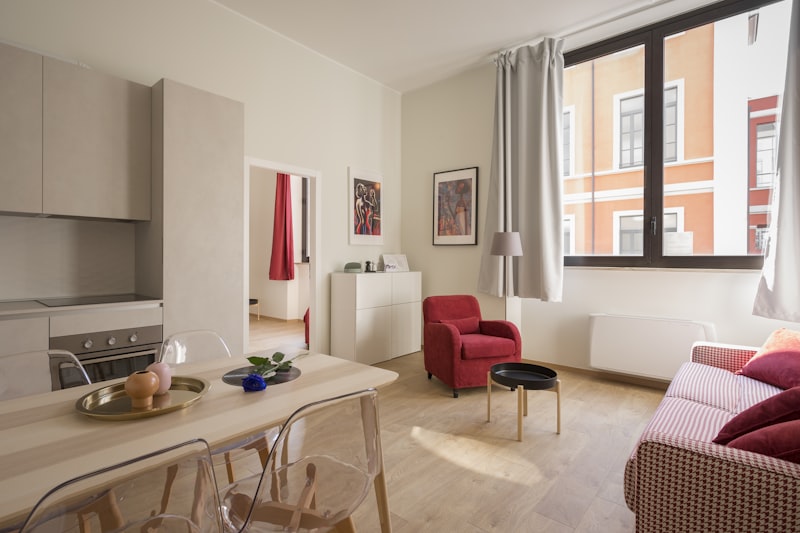
किराए पर रहना अक्सर “पैसे की बर्बादी” माना जाता है। वास्तव में, यह एक गलत धारणा है। हालांकि, EMI भरने वाला व्यक्ति Asset बना रहा है, लेकिन Renting वाला व्यक्ति Liquidity बनाए रखता है।
इसके विपरीत, किराए पर रहने के कई फायदे हैं:
- Flexibility: Job change या City transfer आसान
- Low Initial Cost: सिर्फ 2-3 months deposit
- No Maintenance Headache: Landlord responsible for repairs
- Higher Liquidity: Down payment + EMI difference SIP में invest कर सकते हैं
Rent vs EMI Comparison (Same Locality):
Table
| Parameter | Buying (₹50L Home) | Renting (Same Home) |
|---|---|---|
| Monthly Outflow | ₹40,280 (EMI) | ₹12,000 – ₹18,000 |
| Initial Cost | ₹15L (Down payment + Hidden) | ₹50,000 (Deposit) |
| Monthly Savings | ₹0 | ₹22,000 – ₹28,000 |
| Annual Maintenance | ₹69,000+ | ₹0 |
| Property Tax | ₹15,000+ | ₹0 |
नतीजतन, Renting वाला व्यक्ति हर महीने ₹22,000-₹28,000 बचा सकता है। इसलिए, यह पैसा SIP में invest करने पर Long term में बड़ा फायदा होता है।
7. क्या किराए का पैसा सच में डूब जाता है? जानिए रेंटिंग का असली सच

“किराए का पैसा डूब जाता है” – यह सबसे बड़ा मिथक है। वास्तव में, EMI का Interest portion भी “डूब” ही जाता है। हालांकि, लोग इसे Asset Building समझते हैं।
इसके विपरीत, Renting वाला व्यक्ति जो पैसा बचाता है, वह SIP में invest करता है। नतीजतन, 20 साल बाद उसका SIP Corpus Buying वाले से ज़्यादा हो सकता है।
The Real Math: Where Does Money Go?
Table
| Component | Buying (₹50L, 20Y, 7.5%) | Renting + SIP |
|---|---|---|
| Total EMI Paid | ₹96.7 Lakhs | ₹0 |
| Total Rent Paid (₹15K/month, 5% hike) | ₹0 | ₹59.2 Lakhs |
| SIP Invested (₹25K/month, 12% return) | ₹0 | ₹60 Lakhs |
| SIP Corpus after 20 Years | ₹0 | ₹2.49 Crores |
| Property Value after 20 Years (5% appreciation) | ₹1.32 Crores | ₹0 |
| Net Worth | ₹1.32 Crores | ₹1.90 Crores |
इसलिए, किराए का पैसा डूबता नहीं, बल्कि Freedom खरीदता है।
8. क्या है वित्तीय विशेषज्ञों का ‘5% Rule’?

5% Rule एक अंतरराष्ट्रीय फॉर्मूला है। वास्तव में, यह Renting vs Buying का सबसे सरल Test है। हालांकि, भारत में इसके बारे में कम लोग जानते हैं।
5% Rule Formula:
Annual Rent < 5% of Property Value = Renting is Better
Annual Rent > 5% of Property Value = Buying is Better
India 2026 Application:
Table
| City | Property Value | 5% Annual Value | Monthly Rent Threshold | Actual Rent | Verdict |
|---|---|---|---|---|---|
| Mumbai | ₹1 Crore | ₹5 Lakhs | ₹41,667 | ₹25,000-₹35,000 | Rent |
| Delhi NCR | ₹75 Lakhs | ₹3.75 Lakhs | ₹31,250 | ₹18,000-₹28,000 | Rent |
| Bengaluru | ₹80 Lakhs | ₹4 Lakhs | ₹33,333 | ₹20,000-₹30,000 | Rent |
| Hyderabad | ₹65 Lakhs | ₹3.25 Lakhs | ₹27,083 | ₹15,000-₹22,000 | Rent |
| Pune | ₹55 Lakhs | ₹2.75 Lakhs | ₹22,917 | ₹12,000-₹18,000 | Rent |
नतीजतन, भारत के सभी बड़े शहरों में 2026 में Renting Buying से बेहतर है। इसलिए, यह Rule हमेशा Apply करें।
9. ‘EMI vs Rent’ का लाइव कैलकुलेशन: एक ही बजट में दोनों का अंतर

चलिए एक Real example लेते हैं। वास्तव में, यह Example आपकी Situation से मिलता-जुलता हो सकता है। हालांकि, Numbers थोड़े बदल सकते हैं।
Case Study: Rahul, 28, IT Professional, Bengaluru
Table
| Parameter | Buying (₹50L, 20Y) | Renting + SIP |
|---|---|---|
| Monthly Income | ₹80,000 | ₹80,000 |
| EMI / Rent | ₹40,280 | ₹18,000 |
| Monthly SIP | ₹0 | ₹22,280 |
| Lifestyle Budget | ₹39,720 | ₹39,720 |
| 20 Year SIP Corpus (12% CAGR) | ₹0 | ₹2.21 Crores |
| Property Value (5% appreciation) | ₹1.32 Crores | ₹0 |
| Less: Outstanding Loan | ₹0 (paid off) | ₹0 |
| Net Worth | ₹1.32 Crores | ₹2.21 Crores |
नतीजतन, Rahul Renting + SIP से ₹89 Lakhs ज़्यादा अमीर बनता है। इसलिए, यह Calculation हर Buyer को करनी चाहिए।
10. अवसर लागत (Opportunity Cost): बचे हुए पैसे को SIP में डालने का जादुई गणित
Alt Text: Renting vs Buying a House in 2026 – Opportunity Cost and SIP Magic
Opportunity Cost सबसे Important Concept है। वास्तव में, यह Economics का Golden Rule है। हालांकि, Real Estate Buyers इसे Ignore कर देते हैं।
SIP Growth Table (₹22,000 Monthly):
Table
| Years | SIP Corpus (12% CAGR) | Property Value (5% appreciation) |
|---|---|---|
| 5 Years | ₹17.8 Lakhs | ₹63.8 Lakhs |
| 10 Years | ₹50.4 Lakhs | ₹81.4 Lakhs |
| 15 Years | ₹1.09 Crores | ₹1.04 Crores |
| 20 Years | ₹2.21 Crores | ₹1.32 Crores |
| 25 Years | ₹4.18 Crores | ₹1.69 Crores |
Key Insight:
- SIP Returns: 12% CAGR (Index Funds historical average)
- Property Appreciation: 3-5% in India (Post-inflation)
- Compounding Effect: SIP में Exponential growth, Property में Linear growth
इसलिए, बचे हुए पैसे को SIP में डालना 2026 में सबसे Smart Move है।
11. 2026 में रियल एस्टेट मार्केट के हालात

2026 में रियल एस्टेट मार्केट Slowdown phase में है। वास्तव में, Anarock के Data के अनुसार FY26 में Housing Sales 404,005 units रहे। हालांकि, यह FY23 के बाद Lowest है।
2026 Market Data Table:
Table
| Metric | FY25 | FY26 | Change |
|---|---|---|---|
| Housing Sales | 4,65,000 | 4,04,005 | -13% |
| New Launches | 4,20,000 | 4,45,405 | +6% |
| Unsold Inventory | 12 months | 15-18 months | Rising |
| Price Growth | 8-10% | 3-5% | Slowing |
| NCR Sales | 58,773 | 59,892 | +2% |
Key Market Insights:
- Price Growth Slowing: 3-5% vs 8-10% in previous years
- Inventory Rising: 3.2-3.4 years overhang expected in FY27
- Buyer Selective: Value for money focus, not speculation
- Developer Pressure: Smaller developers facing liquidity crunch
नतीजतन, 2026 Buyer-friendly Market है। इसलिए, Negotiation Power Buyer के पास है।
12. होम लोन पर ब्याज दरें 2026: रेपो रेट का आपके लोन पर असर

RBI ने 2025 में Repo Rate 125 bps कम किया। वास्तव में, यह 2019 के बाद सबसे Aggressive Rate Cut Cycle था। हालांकि, April 2026 में Repo Rate 5.25% पर Stable है।
RBI Rate Journey Table:
Table
| MPC Meeting | Repo Rate | Change |
|---|---|---|
| Feb 2025 | 6.25% | -25 bps |
| Apr 2025 | 6.00% | -25 bps |
| Jun 2025 | 5.50% | -50 bps |
| Dec 2025 | 5.25% | -25 bps |
| Apr 2026 | 5.25% | No change |
Bank Home Loan Rates (April 2026):
Table
| Bank | Starting Rate | Best Rate (CIBIL 750+) |
|---|---|---|
| SBI | 7.50% – 8.70% | 7.50% |
| ICICI Bank | 7.45% – 8.75% | 7.45% |
| HDFC Bank | 7.90%+ | 7.90% |
| PNB | 7.20% – 9.10% | 7.20% |
| Bank of Baroda | 7.20% – 9.25% | 7.20% |
EBLR vs MCLR:
- EBLR (External Benchmark): Repo Rate + Spread, Reset every 3 months
- MCLR (Internal Benchmark): Bank’s cost-based, Reset every 6-12 months
- Recommendation: EBLR choose करें for faster rate cut benefits
नतीजतन, 2026 में Home Loans सस्ते हैं। इसलिए, यदि Buying ही करना है, तो यह Right Time है।
13. आपके लिए क्या सही है? उम्र और करियर के हिसाब से फैसला लें

सही Decision उम्र और Career Stage पर Depend करता है। वास्तव में, One-size-fits-all approach काम नहीं करता। हालांकि, कुछ General Guidelines हैं।
Decision Matrix Table:
Table
| Age/Career Stage | Recommendation | Reasoning |
|---|---|---|
| 22-25 (Freshers) | Rent | Job mobility, Low savings, Career exploration |
| 26-30 (Early Career) | Rent + SIP | Marriage planning, Possible relocation, Build corpus |
| 31-35 (Stable Job) | Evaluate | If settled in one city, consider buying |
| 36-40 (Family) | Buy or Rent | Depends on school zone, job stability |
| 40+ (Senior) | Buy | Long-term stability, Tax benefits, Legacy |
Career Type Impact:
- IT/Consulting (Transferable): Renting is better
- Government (Stable): Buying makes sense
- Startup/Entrepreneur: Renting + SIP
- Freelancer: Renting for flexibility
इसलिए, अपनी Situation Evaluate करें। नतीजतन, Right Decision आसानी से होगा।
14. सिबिल स्कोर और होम लोन पात्रता: आपका वित्तीय स्वास्थ्य कितना मजबूत है?

CIBIL Score Home Loan की Gatekeeper है। वास्तव में, 750+ Score Best Rates दिलाता है। हालांकि, 600 से कम Score पर Loan Rejection हो सकता है।
CIBIL Score Impact Table:
Table
| CIBIL Score | Loan Status | Interest Rate Premium | Loan Amount |
|---|---|---|---|
| 750-900 | Easy Approval | Base Rate (7.5%) | Up to 80% of Property |
| 700-749 | Good Approval | +0.25% to +0.50% | Up to 75% of Property |
| 650-699 | Conditional | +0.75% to +1.50% | Up to 70% of Property |
| 600-649 | Difficult | +1.50% to +2.50% | Up to 60% of Property |
| Below 600 | Likely Rejected | N/A | N/A |
CIBIL Improvement Tips:
- Pay EMIs on time: Never miss a payment
- Credit Utilization: Keep below 30% of limit
- Credit Mix: Secured + Unsecured loans balance
- No Multiple Applications: Hard inquiries hurt score
- Check Report Regularly: Free annual report from CIBIL
इसलिए, Loan Apply करने से 6 months पहले CIBIL Score Improve करें।
15. घर खरीदते समय लोग कौन सी 3 सबसे बड़ी गलतियां करते हैं?
गलतियां महंगी पड़ती हैं। वास्तव में, यह 3 गलतियां सबसे Common हैं। हालांकि, इनसे बचना आसान है।
Mistake 1: बजट से बाहर जाकर घर लेना
- Problem: Social pressure में बड़ा घर लेना
- Impact: EMI 50%+ of income, No savings buffer
- Solution: EMI should be <30% of monthly income
- Rule: “3x Annual Income” maximum property value
Mistake 2: पूरी सेविंग्स डाउन पेमेंट में लगा देना
- Problem: Zero emergency fund after purchase
- Impact: One job loss = EMI default
- Solution: Keep 6 months EMI + Expenses as Emergency Fund
- Rule: Down payment ≤ 50% of total savings
Mistake 3: इमरजेंसी फंड न रखना
- Problem: All money locked in property
- Impact: No liquidity for medical/job loss emergencies
- Solution: Separate 6-month expense fund in Liquid Mutual Funds
- Rule: Emergency Fund before EMI, not after
नतीजतन, यह Mistakes Avoid करके Financially Secure रह सकते हैं।

16. Frequently Asked Questions (FAQs)
Q1. क्या रेंट एग्रीमेंट हर 11 महीने में बढ़ाना सही है?
Ans: हां, यह Standard Practice है। वास्तव में, 11-month agreement Stamp Duty बचाता है। हालांकि, 2026 में Model Tenancy Act आ रहा है। इसलिए, Long-term agreements भी Possible होंगे।
Q2. क्या होम लोन पर टैक्स छूट (Section 24) सच में फायदेमंद है?
Ans: Section 24 में ₹2 Lakhs का Interest Deduction मिलता है। वास्तव में, यह 30% Tax Slab में ₹60,000 बचाता है। हालांकि, इसके लिए Self-occupied Property होना ज़रूरी है। इसलिए, Tax Benefit को EMI Cost से Compare करें।
Q3. क्या 2026 में Property Prices गिरेंगे?
Ans: Major Correction की संभावना कम है। वास्तव में, Price Growth Slow होगा (3-5%)। हालांकि, Inventory Overhang से Selective Cities में 5-10% Correction Possible है। इसलिए, Research करके Buy करें।
Q4. SIP vs Property: कौन सा बेहतर है?
Ans: 2026 के Data के अनुसार, SIP (12% CAGR) Property (5% appreciation) से बेहतर है। वास्तव में, 20 साल में SIP Corpus Property Value से 40-60% ज़्यादा हो सकता है।
Q5. क्या Co-living Spaces 2026 में Good Option हैं?
Ans: हां, Young Professionals के लिए Co-living बेहतर Option है। वास्तव में, यह Fully Furnished, Utilities Included, और Community Living देता है। हालांकि, Premium Locations में ₹15,000-₹25,000/month मिलता है।
17. निष्कर्ष: स्मार्ट इन्वेस्टर बनें और अपनी वेल्थ को सुरक्षित रखें
Renting vs Buying a House in 2026 का Final Verdict Clear है। वास्तव में, 2026 के Market Data के अनुसार Renting + SIP Buying से बेहतर है। हालांकि, यह General Rule है।
Final Summary Table:
Table
| Factor | Buying | Renting + SIP |
|---|---|---|
| Initial Cost | ₹15-20 Lakhs | ₹50,000 |
| Monthly Outflow | ₹40,000+ | ₹18,000 |
| Flexibility | Low | High |
| Wealth Building | Slow (5% appreciation) | Fast (12% CAGR) |
| 20-Year Net Worth | ₹1.32 Crores | ₹2.21 Crores |
| Risk Level | High (Property Risk) | Diversified |
Key Takeaways:
- Under 30: Rent + SIP is the Wealth Hack
- 30-35: Evaluate based on Career Stability
- 35+: Buying makes sense if Settled
- Always: Keep Emergency Fund, Never max out EMI
नतीजतन, Financial Freedom पहले, Property बाद में। इसलिए, Smart Investor बनें।
क्या आपके पास भी कोई Renting vs Buying का Experience है? Comment में ज़रूर बताएं। Vortex Tech Warp के साथ Financially Smart बनें!
Related Articles:
External Resources:
Author: Vortex Tech Warp Team